
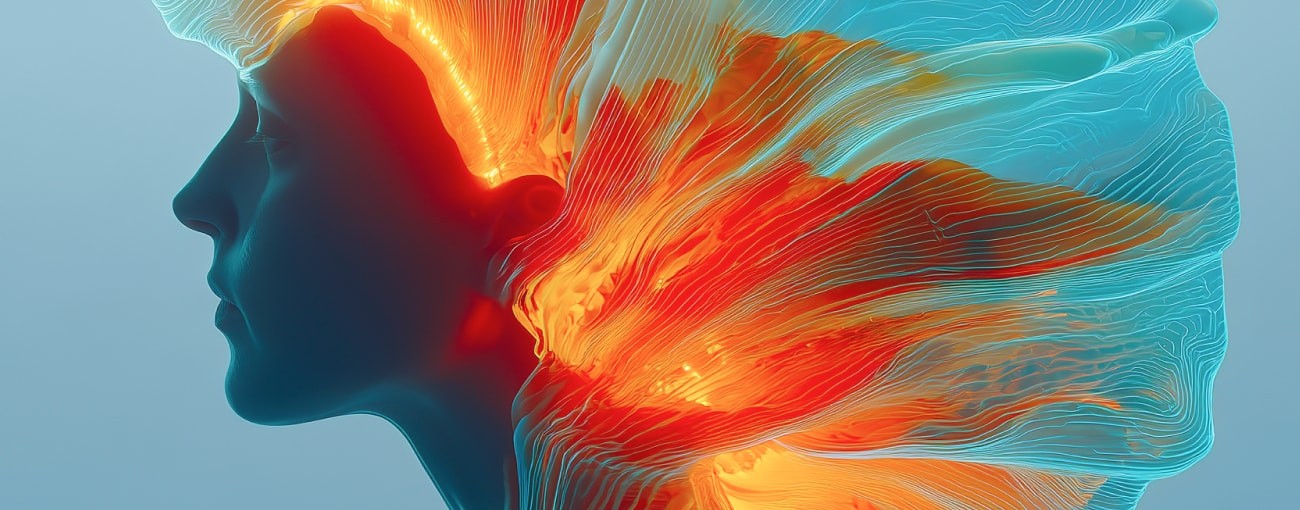
We’re living through the normalization of wellness — not as a luxury or escape, but as a baseline. What was once fringe or aspirational is now infrastructure. Mental health, rest, clean air, self-regulation, longevity — they’re not bonus features. They’re non-negotiables. In the eyes of the modern consumer, a brand that doesn't respect these needs feels out of step. It’s not just about offering better-for-you products. It's about creating environments and systems that acknowledge people as whole humans — tired, overstimulated, searching. Wellness is how culture copes, and increasingly, how it buys.
The numbers reflect it. The global wellness economy just crossed $6.8 trillion and is on pace to hit $9.8 trillion by 2029. Wellness real estate is booming. Mental health is the second-fastest-growing sector. Travel is transforming into care — think sound baths, slow itineraries, sleep coaches. Consumers aren’t compartmentalizing anymore. They expect emotional wellness in a credit card. Nutrition in their skincare. Ritual in their packaging. People are building lifestyles around longevity and asking brands to meet them there — with clarity, calm, and credibility.
For founders and creatives, 2026 isn’t about chasing wellness trends. It’s about knowing your role in the emotional architecture of someone’s day. Maybe your product helps them feel lighter. Maybe your tone gives them room to breathe. Maybe your drop schedule aligns with moon phases instead of market cycles. The invitation is clear: build something that holds people, not just sells to them. Wellness isn’t a category anymore. It’s a cultural current — and it’s pulling the future forward.



[07]
Other Posts
Consumers are demanding purpose-driven brands, and those that deliver on impact see stronger loyalty, deeper emotional connection, and measurable business returns.

Culturally relevant brands listen first, embed meaning across every touchpoint, and evolve in sync with the emotional and social rhythms of their audience.
[07]
Other Posts
Consumers are demanding purpose-driven brands, and those that deliver on impact see stronger loyalty, deeper emotional connection, and measurable business returns.
Culturally relevant brands listen first, embed meaning across every touchpoint, and evolve in sync with the emotional and social rhythms of their audience.
[07]
Other Posts
Consumers are demanding purpose-driven brands, and those that deliver on impact see stronger loyalty, deeper emotional connection, and measurable business returns.
Culturally relevant brands listen first, embed meaning across every touchpoint, and evolve in sync with the emotional and social rhythms of their audience.
We’re living through the normalization of wellness — not as a luxury or escape, but as a baseline. What was once fringe or aspirational is now infrastructure. Mental health, rest, clean air, self-regulation, longevity — they’re not bonus features. They’re non-negotiables. In the eyes of the modern consumer, a brand that doesn't respect these needs feels out of step. It’s not just about offering better-for-you products. It's about creating environments and systems that acknowledge people as whole humans — tired, overstimulated, searching. Wellness is how culture copes, and increasingly, how it buys.
The numbers reflect it. The global wellness economy just crossed $6.8 trillion and is on pace to hit $9.8 trillion by 2029. Wellness real estate is booming. Mental health is the second-fastest-growing sector. Travel is transforming into care — think sound baths, slow itineraries, sleep coaches. Consumers aren’t compartmentalizing anymore. They expect emotional wellness in a credit card. Nutrition in their skincare. Ritual in their packaging. People are building lifestyles around longevity and asking brands to meet them there — with clarity, calm, and credibility.
For founders and creatives, 2026 isn’t about chasing wellness trends. It’s about knowing your role in the emotional architecture of someone’s day. Maybe your product helps them feel lighter. Maybe your tone gives them room to breathe. Maybe your drop schedule aligns with moon phases instead of market cycles. The invitation is clear: build something that holds people, not just sells to them. Wellness isn’t a category anymore. It’s a cultural current — and it’s pulling the future forward.
[07]
Other Posts
Consumers are demanding purpose-driven brands, and those that deliver on impact see stronger loyalty, deeper emotional connection, and measurable business returns.
Culturally relevant brands listen first, embed meaning across every touchpoint, and evolve in sync with the emotional and social rhythms of their audience.
[07]
Other Posts
Consumers are demanding purpose-driven brands, and those that deliver on impact see stronger loyalty, deeper emotional connection, and measurable business returns.
Culturally relevant brands listen first, embed meaning across every touchpoint, and evolve in sync with the emotional and social rhythms of their audience.
[07]
Other Posts
Consumers are demanding purpose-driven brands, and those that deliver on impact see stronger loyalty, deeper emotional connection, and measurable business returns.
Culturally relevant brands listen first, embed meaning across every touchpoint, and evolve in sync with the emotional and social rhythms of their audience.
We’re living through the normalization of wellness — not as a luxury or escape, but as a baseline. What was once fringe or aspirational is now infrastructure. Mental health, rest, clean air, self-regulation, longevity — they’re not bonus features. They’re non-negotiables. In the eyes of the modern consumer, a brand that doesn't respect these needs feels out of step. It’s not just about offering better-for-you products. It's about creating environments and systems that acknowledge people as whole humans — tired, overstimulated, searching. Wellness is how culture copes, and increasingly, how it buys.
The numbers reflect it. The global wellness economy just crossed $6.8 trillion and is on pace to hit $9.8 trillion by 2029. Wellness real estate is booming. Mental health is the second-fastest-growing sector. Travel is transforming into care — think sound baths, slow itineraries, sleep coaches. Consumers aren’t compartmentalizing anymore. They expect emotional wellness in a credit card. Nutrition in their skincare. Ritual in their packaging. People are building lifestyles around longevity and asking brands to meet them there — with clarity, calm, and credibility.
For founders and creatives, 2026 isn’t about chasing wellness trends. It’s about knowing your role in the emotional architecture of someone’s day. Maybe your product helps them feel lighter. Maybe your tone gives them room to breathe. Maybe your drop schedule aligns with moon phases instead of market cycles. The invitation is clear: build something that holds people, not just sells to them. Wellness isn’t a category anymore. It’s a cultural current — and it’s pulling the future forward.
[07]
Other Posts
Consumers are demanding purpose-driven brands, and those that deliver on impact see stronger loyalty, deeper emotional connection, and measurable business returns.
Culturally relevant brands listen first, embed meaning across every touchpoint, and evolve in sync with the emotional and social rhythms of their audience.
[07]
Other Posts
Consumers are demanding purpose-driven brands, and those that deliver on impact see stronger loyalty, deeper emotional connection, and measurable business returns.
Culturally relevant brands listen first, embed meaning across every touchpoint, and evolve in sync with the emotional and social rhythms of their audience.
[07]
Other Posts
Consumers are demanding purpose-driven brands, and those that deliver on impact see stronger loyalty, deeper emotional connection, and measurable business returns.
Culturally relevant brands listen first, embed meaning across every touchpoint, and evolve in sync with the emotional and social rhythms of their audience.